
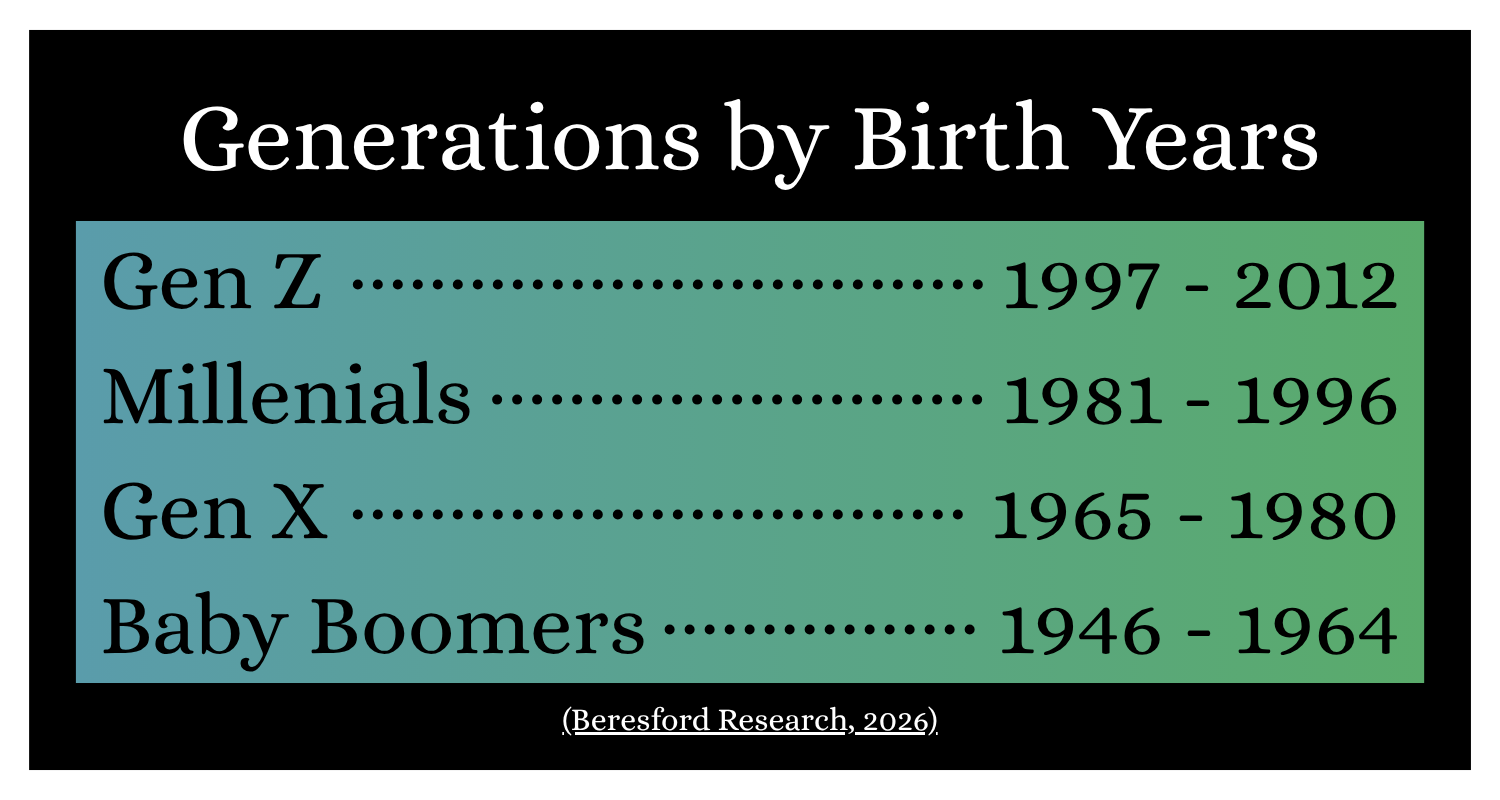
Healthcare isn’t one-size-fits-all, yet many health plans still approach their members as if it were. Consider a family spanning three generations. A young Gen Z family member is navigating their first significant health challenge, trying to understand the healthcare system, and find the right support. Their Gen X parent is caught in the middle, balancing work, family responsibilities, and the growing demands of caring for an aging parent. Often referred to as the “Forgotten Middle,” they’re so focused on making sure everyone else gets the care they need that their own health takes a back seat. Meanwhile, the family’s Baby Boomer generation is facing increasingly complex medical needs, managing multiple chronic conditions, comorbidities, and more acute health concerns that require ongoing attention and coordination. Three generations, three very different sets of health challenges, all within the same family, highlighting the need for a healthcare approach that recognizes individuals across every stage of life and health.
In our conversation with Dr. Vanessa Nwaokocha, Telligen’s Medical Director with experience across both commercial and state health programs, as well as being a provider in a family with multiple generations of medical doctorates, a central theme emerged: the traditional approach to care management is missing the mark. “Often where health plans miss the mark is having a one-size-fits-all model,” Dr. Nwaokocha observed. “It historically has shown that it doesn’t work.” Instead, she advocates for a “portfolio approach” to clinical care, one that recognizes each generation operates with different behavioral drivers, health priorities, and ways of engaging with the healthcare system.
This article examines the clinical landscape of 2026 through a generational lens. We’ll explore how to best manage a multi-generational plan, matching care delivery style to best fit the end-user, modern day patient/provider dynamics, and how to define quality of life across generations. Most importantly, we’ll discuss how health plans can move beyond uniform programs to deliver tailored care that meets members where they are.
The Portfolio Approach to Multi-Generational Care Management
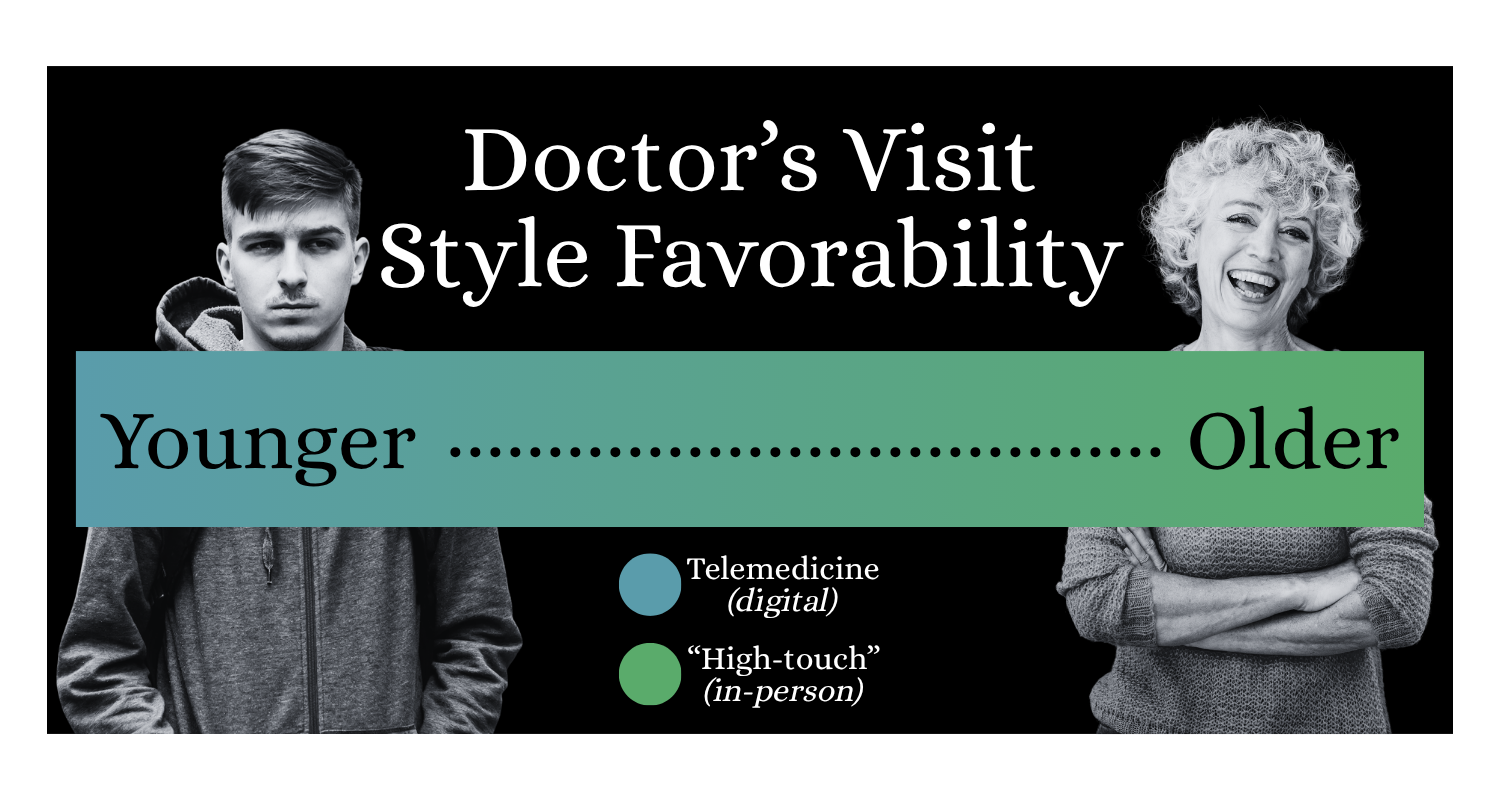
The solution to serving multiple generations under one plan requires what Dr. Nwaokocha calls a “portfolio approach” to clinical and case management. Just as a diversified investment portfolio allocates resources across different asset classes based on their characteristics and goals, health plans need to strategically distribute care management capacity based on each generation’s distinct needs, preferences, and habits. For younger generations who are digitally inclined, this means allocating resources toward “scalable digital first programs” that provide access no matter where members are. Meanwhile, older populations require a different investment: “They want a higher touch experience. They want to be able to come in and be seen in-person…allocate your resources with that in mind.” explains Dr. Nwaokocha.
This approach also means thinking about return on investment across different time horizons. Dr. Nwaokocha points out that “early intervention in a 25-year-old has a longer runway of avoided costs than the same dollar spent managing an already established condition.” A health plan addressing pre-diabetes in a 25-year-old through preventative coaching could avoid decades of costly complications, while that same dollar spent on a 70-year-old with established chronic conditions delivers a different, though still valuable, return. Neither investment is wrong, but understanding these trajectories allows us to build care models that balance prevention in younger members with intensive management for older, higher-acuity populations. The balance comes in recognizing that resource allocation should not be uniform. As another example, where the Gen Z /Millennial patients may be prioritized for screening for early metabolic markers, the older populations are addressing cognitive screenings and comorbidity challenges. It should be strategic, matching the intervention to the member’s life stage and the condition’s trajectory.
Matching Care Delivery to Generational Preferences
Targeted engagement of a population becomes the natural next step after understanding the need for generational resource allocation. Dr. Nwaokocha: “Often where health plans miss the mark is having a one-size-fits-all model. Historically, it’s shown that that doesn’t work.” The reality is that a Gen Z 25-year-old and a 75-year-old Baby Boomer do not just have different clinical needs; they have fundamentally different expectations about how, when, and where they access care. This is not about offering more options, it’s about recognizing that engagement must be tailored to the patient in front of us to ultimately reach them where they are at.
For younger generations, particularly Gen Z, digital accessibility is not a convenience but an expectation. Dr. Nwaokocha explains “Younger generations respond best to digital-first programs rather than in-person programs.” They are drawn to “app-based, bite-sized, socially integrated interventions” that fit seamlessly into their routines. Whether it is tracking steps on an Apple Watch or receiving telehealth support through a smartphone app, these tools are not supplementary but central to how they manage their health. The care model must prioritize accessibility and immediacy, offering solutions that meet them where they are: online, on-demand, and on their terms. “The younger generation wants access no matter where they are,” Dr. Nwaokocha notes, and our delivery models must reflect that.
Older generations, in contrast, value presence. “They want a more high touch experience. They want to be able to come in and see you.” Dr. Nwaokocha observes. For Baby Boomers and many Gen Xers, the therapeutic relationship is built through face-to-face interaction, continuity, and the assurance that comes from seeing the same provider in the same office over time. Telehealth may be a useful tool for certain situations, but it does not replace the trust that is built through in-person encounters. “The older population wants to be able to see you live in your office,” she adds, and this preference reflects a generation that equates care quality with relational consistency and personal attention.
The strategic implication is clear, we cannot deploy a single engagement model and expect it to resonate across all age groups. We need parallel systems that operate on different principles, some optimized for digital reach and self-navigation, some designed for relational depth and physical accessibility. Dr. Nwaokocha explains the caveat, “Our fastest growing utilization trends and highest-cost populations demand very different delivery models. Young members need volume, scalable behavioral health infrastructure, while older members need more intensive longitudinal care.”
The New Patient-Provider Partnership Model
The relationship between patient and provider has shifted over the past decades, and understanding these changes is critical to delivering effective care. “Great outcomes are a result of collaboration between the physician or the care team and the patient,” Dr. Nwaokocha explains. “The people who have the best outcomes in their health are those who are active participants in their care, in collaboration with their doctor.” However, what collaboration looks like varies dramatically depending on which generation we’re serving.
Baby Boomers typically approach healthcare with a more traditional, paternalistic mindset, asking “what does my doctor say I should do?” and trusting clinical authority above all else. This deference to medical expertise served them well in an era when information was less accessible, and the provider truly held all the knowledge comparative to the resources available. While this approach ensures compliance, it can sometimes lead to patients being less equipped to advocate for themselves or question care decisions that may not align with their personal values or circumstances.
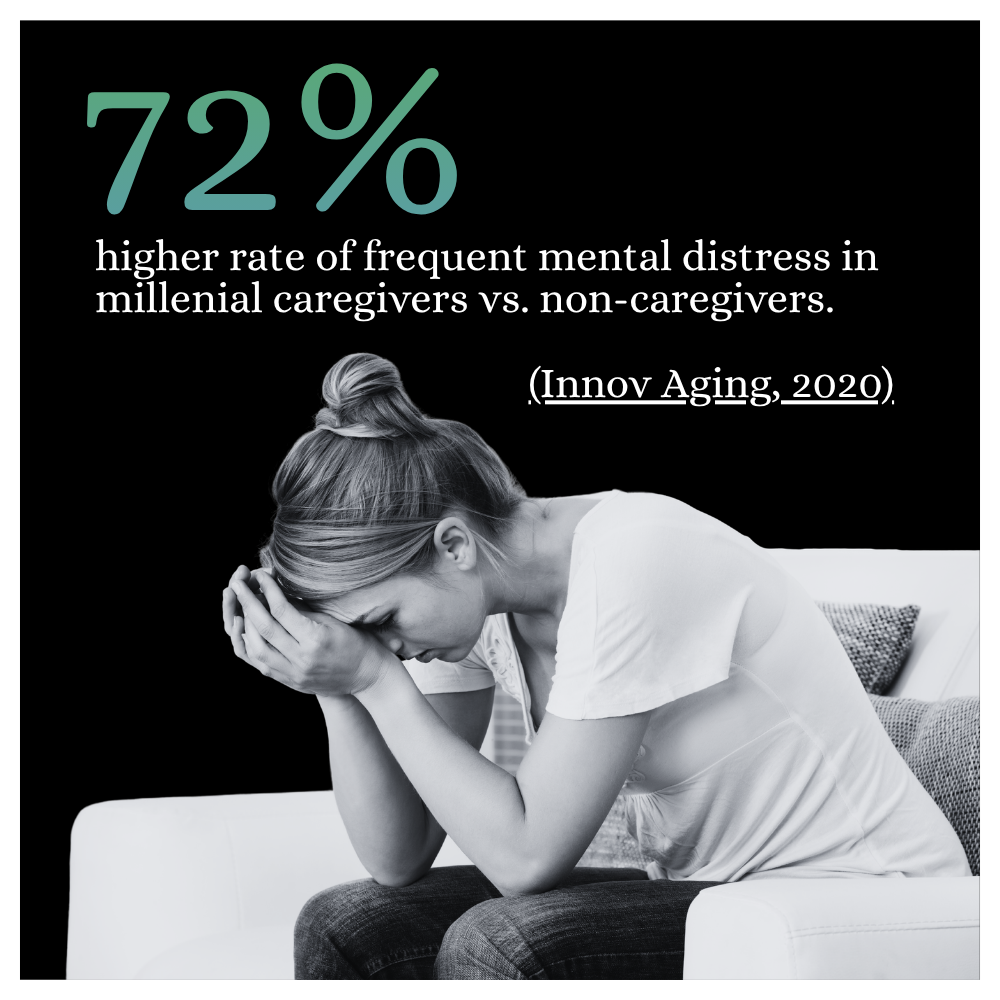 Gen X marked the beginning of a fundamental shift toward shared decision-making and collaborative care. This generation entered adulthood during the rise of the internet and grew comfortable with the idea that expertise could be questioned, and information could be independently collected. They expect to be partners in their treatment choices, balancing clinical recommendations with their own research and life circumstances. However, Gen X faces unique challenges in engaging with their care because they’re often stretched thin between career demands and caregiving responsibilities for both aging parents and their own family units, also referred to as the “Forgotten Middle”. Their engagement strategy needs to acknowledge these time constraints while still fostering a collaborative relationship. This might mean offering flexible appointment scheduling, asynchronous communication options, and care coordination support that reduces the administrative burden on the patient.
Millennials have pushed the evolution further into what Dr. Nwaokocha describes as a “hybrid consumer-driven” approach. They’re comfortable directing their own care but still value partnership with providers. They’ve grown up in a world where consumer choice is paramount… they can research products, read reviews, and comparison shop for everything from cars to coffee makers. They apply this same lens to healthcare, expecting transparency around quality, cost, and outcomes. The challenge with millennials is balancing their desire for autonomy with the reality that healthcare decisions require clinical expertise to contextualize. They benefit from providers who can explain the “why” behind recommendations, provide educational resources, and respect their need to feel informed and empowered. Their engagement often happens outside the traditional office visit, through patient portals, telehealth, and digital health tools that put information and access at their fingertips.
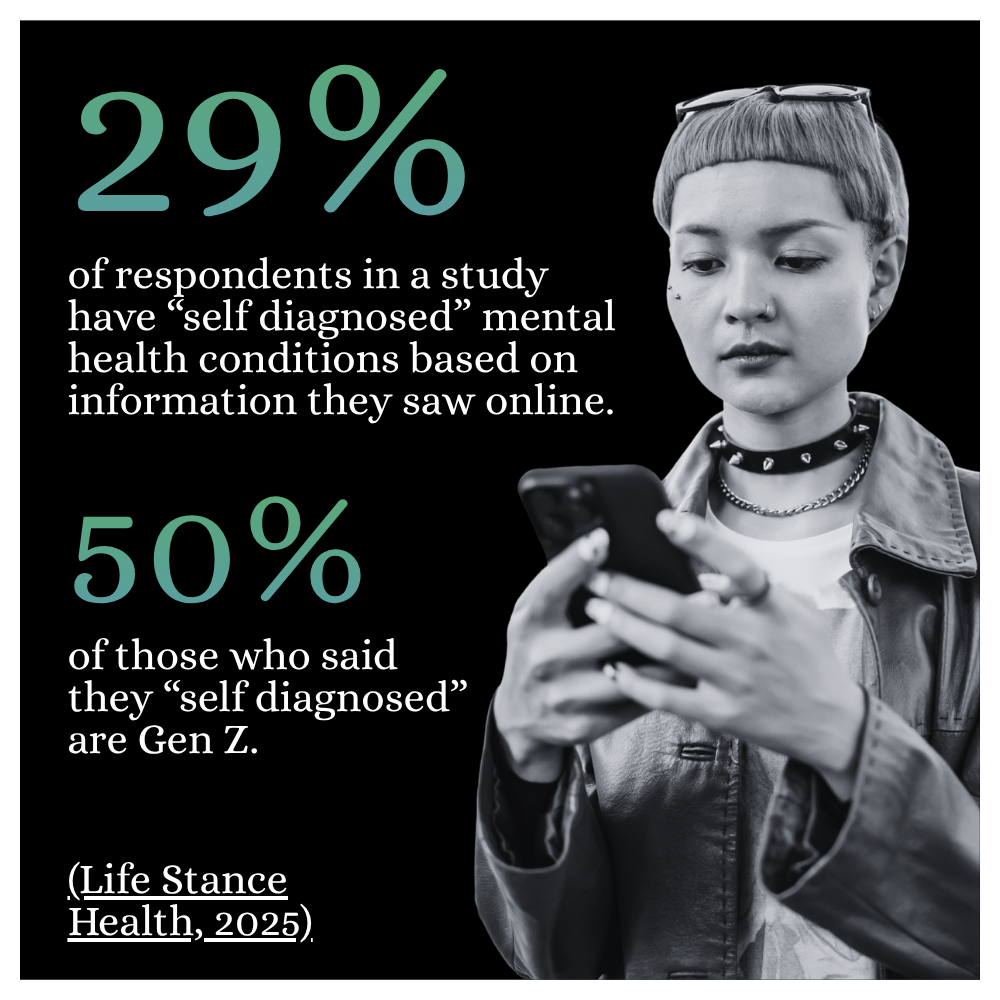 Gen Z represents the dramatic departure from traditional patient-provider dynamics, approaching healthcare as “data-informed, research-first” consumers. They’re more likely to arrive at appointments having already done extensive research, armed with questions and sometimes self-diagnoses (for better or worse). Dr. Nwaokocha captures this tension with a story of her friend: “She comes to me and she’s telling me about something that’s going on with her, and I offer her my medical expertise and she says, ‘that’s not what I saw on TikTok!’. Okay, so my 15 years of education versus your TikTok algorithm? This encapsulates both the promise and the challenge of Gen Z engagement. On one hand, they’re highly engaged, proactive, and often taking ownership of their health. On the other hand, they lack the clinical expertise to properly interpret the information they find, distinguish credible sources from misinformation, or contextualize findings within their individual health profile. The most effective engagement strategy for Gen Z acknowledges their research efforts while gently guiding them toward quality information and helping them understand why clinical judgment matters.
Redefining Quality of Life
When we talk about successful clinical outcomes, we often default to universal metrics: controlled A1C levels, reduced hospital readmissions, medication adherence rates, etc. These numbers matter, but they tell an incomplete story. What constitutes a meaningful health outcome for a 28-year-old navigating their first chronic condition looks fundamentally different from what matters to a 72-year-old managing multiple comorbidities. Dr. Nwaokocha puts it plainly: “For young people, quality of life is like being able to walk 3 miles without being out of breath. While for the older population, quality of life is, I’m able to sleep comfortably, drive myself, and not depend on anyone.” If we measure success by the same yardstick across all ages, we miss what drives engagement, and ultimately better health.
The gap between clinical improvement and lived experience becomes particularly stark when we consider what motivates different generations to participate in their own care. Younger members might prioritize maintaining their active lifestyle, continuing their fitness routines, or managing stress that interferes with work. These are not trivial concerns. They represent the foundation of long-term health behaviors that, when supported early, prevent the cascade of complications we see decades later. Meanwhile, older members often focus on fundamental autonomy. “Independence, especially for the older population, is so important,” Dr. Nwaokocha emphasizes. The ability to remain in their own home, drive to appointments, manage their own medications without assistance represents not just convenience but dignity and self-determination.
This distinction has profound implications for how we design interventions and define program success. A care management program that reduces an older member’s fall risk by 30% might show modest clinical improvement on paper, but if that intervention allows them to remain in their home rather than move to assisted living, the impact on quality of life is transformative. Dr. Nwaokocha shares a compelling example from PACE (Program of All-Inclusive Care for the Elderly) programs: “We’re thinking about sometimes it’s just people who are just socially isolated, right? You end up seeing a totally different person. Super happy, loves going to their PACE programs, they don’t have poor hygiene anymore because they want to make sure they look fresh to this social engagement.” The clinical metrics might show improved self-care and reduced isolation risk, but the real outcome is someone who has rediscovered purpose and social connection.
What becomes clear is that quality of life outcomes are not separate from clinical outcomes but are often the mechanism through which clinical improvements happen. When we help an older adult access transportation to a senior center, we are not just addressing social isolation as a soft metric. We are directly intervening on a factor that influences medication adherence, nutritional intake, cognitive health, and even physical mobility. When we provide a young parent with accessible mental health support, we are not just checking a behavioral health box. We are preventing the stress-driven behaviors that lead to substance use, poor sleep, and cardiometabolic disease. As Dr. Nwaokocha notes, cardiometabolic disease is appearing a decade earlier than in previous generations.
The portfolio approach to care management requires us to invest in different interventions across age groups, but the principle remains supporting what matters to the member, and the clinical outcomes follow.
To speak with a Telligen Health and Well-Being expert about how your organization can accommodate across-generation care, please visit: https://www.telligen.com/contact-an-expert-hwb/.